CDH/VICAR has been informed of a critical
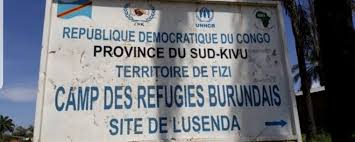
situation unfolding in the Lusenda and Mulongwe refugee camps in the Democratic
Republic of Congo, where UNHCR has suspended the payment
of teachers working in schools serving refugee children.
This sudden halt has left already vulnerable children without a guaranteed
access to education, placing their future and well-being at serious risk.
Education inside refugee camps is often the only structured support system
available to young people, and any disruption can have deep and lasting
consequences.
Compounding the
issue, UNHCR staff have reportedly instructed refugee parents to take over the
responsibility of paying teachers’ salaries. For
families who already face significant economic hardship and struggle to meet
even the most basic needs, this expectation is unrealistic. Refugees in these
camps have extremely limited access to livelihood opportunities, and
transferring financial obligations from humanitarian agencies to impoverished
families amounts to an unacceptable burden with harmful effects on the entire
community.
This decision
stands in direct contradiction with Articles 22 and 23 of the 1951 Geneva Convention,
which guarantee refugees the right to education and the right to receive public
assistance. By removing institutional support for camp-based schools and
pushing the costs onto refugees, this measure undermines international
commitments and jeopardizes the rights and protection of children. The
suspension of teacher payments risks increasing school dropout rates,
heightening protection risks, and further marginalizing already vulnerable
populations.
CDH/VICAR calls
on UNHCR
and Congolese authorities to urgently review and reverse this
decision. Ensuring access to education is not optional—it is a legal and moral
obligation that must be upheld. As part of its protection-monitoring
activities, CDH/VICAR will continue documenting the impacts of this measure,
engaging stakeholders, and advocating for a swift reinstatement of teacher
payments. Refugee children must not be denied their fundamental right to
education due to administrative or financial decisions that violate
international standards.
Gallery
Related Case Study