Appearances before the Kasulu court
on Monday, 10 October 2025, involved 34 Burundian refugees, all facing
accusations of insurrection. The charges stem from events on 29 April 2024,
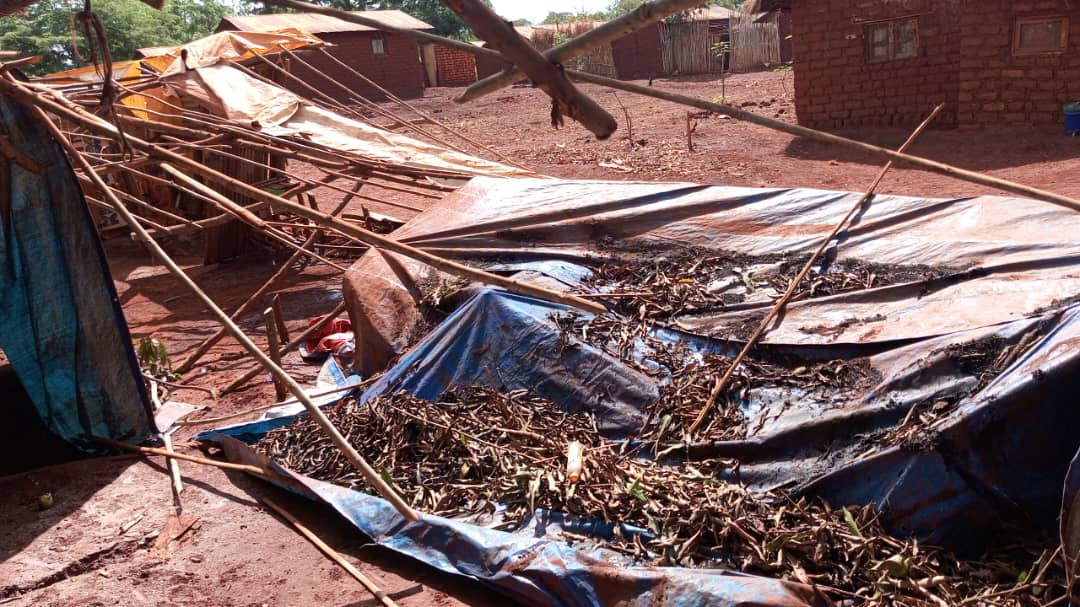
when Tanzanian police entered Zones 10 and 11 of the refugee settlements and
carried out sweeping raids. Officers targeted households they believed were
hiding goods, a practice tied to the longstanding ban preventing Burundian
refugees in Tanzania from engaging in any income-generating activities. These
operations provoked immediate outrage, prompting refugees to voice their
frustration and protest the abuses.
During these protests, several
individuals were arrested. Five remain in detention, while twenty-nine were
released but still compelled to appear before the court. Testimonies gathered
by CDH/VICAR from families and community members depict the situation as
another instance of punitive enforcement and intimidation inside the camps. The
decision to criminalize refugees for expressing grievances about police
misconduct raises serious concerns regarding due process, proportionality, and
the protection of their right to peaceful expression.
The unfolding judicial process has
reignited fears that forced repatriation may be used as a punitive measure, a
tactic already documented in past cases involving Burundian refugees in
Tanzania. Historically, those accused—fairly or not—of protest, dissent, or
non-compliance have frequently been threatened with inclusion on repatriation
lists. With pressure on Burundian refugees intensifying across the region,
these trials risk reinforcing a strategy aimed at silencing refugees and
deterring them from reporting violations.
In fulfilling its
protection-monitoring mandate, CDH/VICAR continues to follow the Kasulu
proceedings and engage relevant stakeholders to safeguard refugee rights and
ensure fair judicial treatment. The organization urges Tanzanian authorities to
uphold due process, cease the use of repatriation as punishment, and respect
their obligations under international refugee law. CDH/VICAR remains committed
to documenting protection risks, advocating for accountability, and supporting
refugees who face reprisals for exposing abuses.
Gallery

Related Case Study