The Coalition for the Defence of Human Rights Living in Refugee Camps has documented a concerning escalation in the management of Burundian refugees at the Nduta Refugee Camp, where recent actions by local authorities have deepened uncertainty and fear among the refugee population.
According to information gathered, the representative of the Tanzanian government, commonly referred to as “Makazi,” has implemented a division of refugees into two distinct groups based on their repatriation status. This categorization is reportedly being enforced without transparency or clear procedural safeguards.
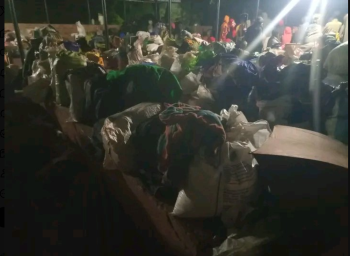
Refugees who have already registered for repatriation are being relocated, together with their personal belongings, into the administrative office compound. This movement appears to be part of preparations linked to their imminent return to Burundi.
In contrast, refugees who have not registered for repatriation are being confined to hangars within what is referred to as the “Departure center.” Testimonies indicate that this space is increasingly functioning as a form of detention area rather than a voluntary transit point.
This separation has created a climate of heightened anxiety, as those confined in the hangars fear that their status may expose them to coercion, forced registration, or other forms of pressure aimed at compelling their return.
The lack of clear communication from authorities regarding the purpose of these measures and the future of those detained has further intensified uncertainty. Refugees remain without reliable information about their rights, options, or potential outcomes.
These developments raise serious concerns under international refugee law, particularly regarding the prohibition of arbitrary detention and the requirement that repatriation must be voluntary, safe, and conducted with full consent.
In response, CDH VICAR calls for immediate clarification of the situation, an end to any form of coercive segregation or detention, and urgent intervention by the international community to ensure that all refugees are treated in accordance with their fundamental rights and dignity.