On 21 October 2025,
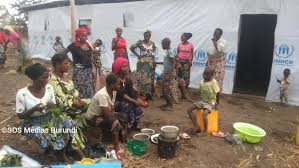
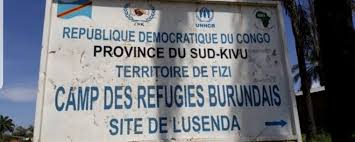
Burundian refugees living in the Democratic Republic of Congo (DRC)
received a long-awaited distribution of food assistance after more than ten months without
aid. The last support provided was in December 2024,
when refugees received 32,000 Congolese francs in cash assistance. This
prolonged interruption left families in a vulnerable state, struggling to meet
even their most basic nutritional needs.
The latest
assistance, however, is grossly insufficient. Each refugee
received only 12 kg of maize
flour and 45 g of vegetable oil,
quantities far below what is required for sustenance. Families already enduring
extreme precarity face daily threats to survival, and this limited distribution
does little to alleviate the persistent hunger and malnutrition affecting camp
populations.
This situation
underscores the broader humanitarian neglect endured by
Burundian refugees in DRC. Inadequate support and prolonged gaps in assistance
exacerbate vulnerabilities, undermine health and well-being, and increase
reliance on negative coping strategies. CDH/VICAR stresses that humanitarian
commitments must meet the minimum standards of adequacy,
ensuring refugees are not left to face life-threatening shortages.
CDH/VICAR calls
on humanitarian
agencies and local authorities to urgently increase the
quantity and frequency of food distributions, aligning assistance with the real
needs of refugee families. As part of its protection-monitoring mandate,
CDH/VICAR will continue to document these deficiencies, advocate for adequate
humanitarian response, and hold relevant actors accountable for ensuring the
survival and dignity of Burundian refugees in DRC.
Gallery
Related Case Study