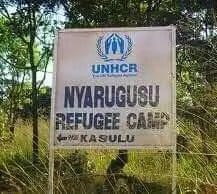
CDH/VICAR has documented a concerning
escalation in the erosion of educational access for Burundian refugee children
in the Nyarugusu camp. On Monday, 13 October 2025, three primary schools—UWEZO,
URAFIKI, and FURAHA—were shut down without adequate alternatives. With only
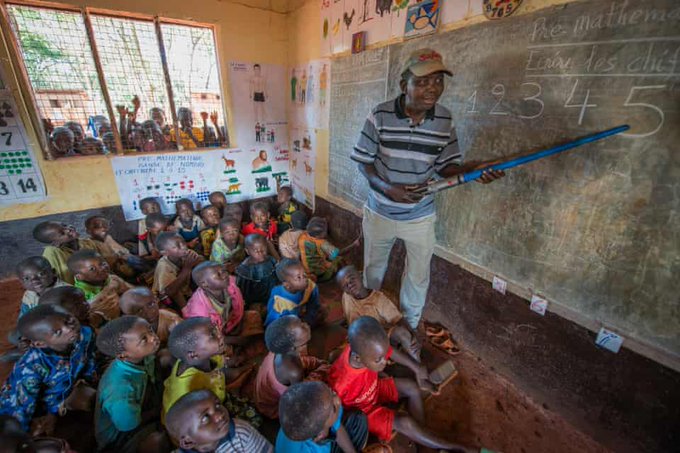
three schools remaining operational, more than 12,000 refugee children are now
being forced into severely overcrowded learning spaces, putting both their
safety and their right to education at serious risk.
This deliberate
reduction in educational infrastructure threatens to dismantle one of the few
remaining sources of stability for children living in displacement. Families
report growing fear, uncertainty, and despair as they watch essential services
crumble. School closures not only interrupt learning but also undermine
psychosocial well-being, protection systems, and long-term opportunities for an
entire generation already exposed to trauma and insecurity.
Evidence
collected by CDH/VICAR points to a pattern of restrictive measures targeting
Burundian refugees, consistent with policies aimed at pressuring them into
“voluntary” return. By reducing access to schools, authorities and humanitarian
actors are creating conditions that make daily life increasingly untenable—an
approach that contradicts international refugee protection standards and
violates the principle of non-refoulement. Such actions amount to coercive
tactics, not legitimate policy decisions.
In response,
CDH/VICAR is intensifying its monitoring and advocacy efforts to ensure that
the rights of refugee children are upheld. The organisation is engaging with
education partners, legal experts, and protection actors to challenge these
harmful measures and promote immediate reopening of schools. CDH/VICAR
reaffirms that access to education is a non-negotiable right and calls on
Tanzanian authorities and UNHCR to reverse these closures and uphold their
obligations under international law.
Gallery
Related Case Study