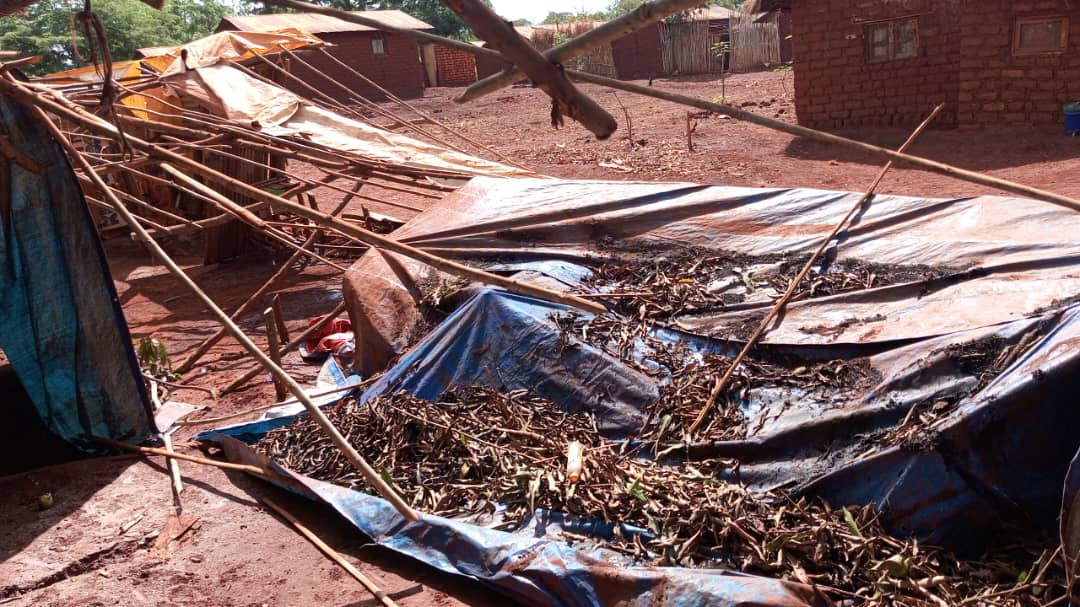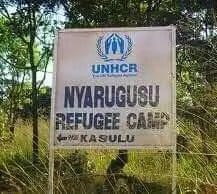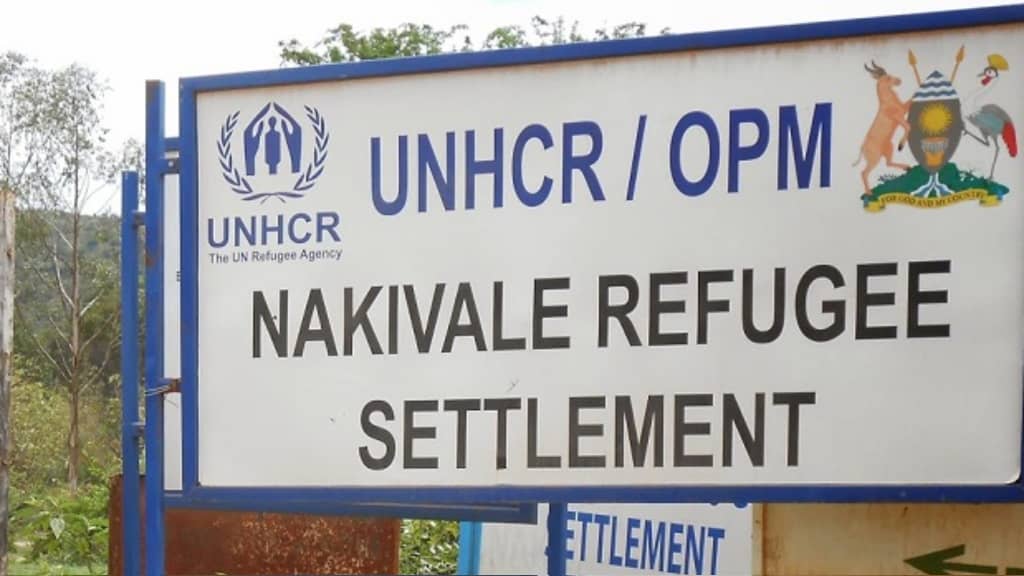
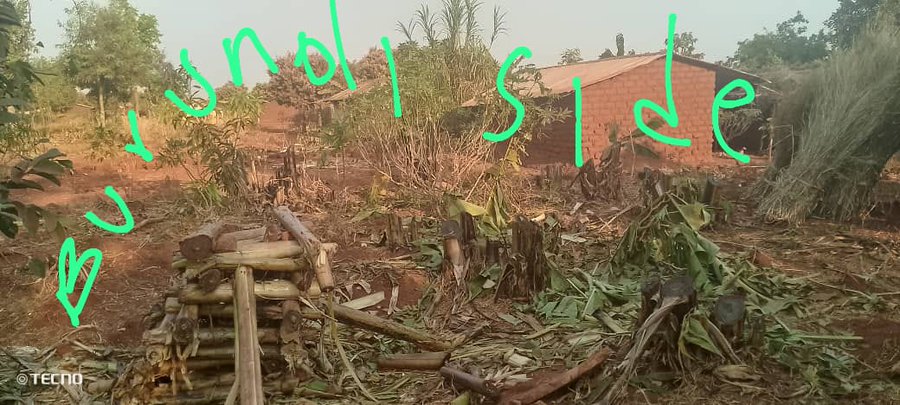
CDH/VICAR has documented discriminatory actions carried out by Tanzanian authorities against Burundian refugees residing in camps shared with refugees from the Democratic Republic of Congo. According to consistent testimonies collected in the field, whenever Burundian refugees undertake livelihood-related activities—particularly small-scale farming to supplement inadequate food assistance—state agents intervene to destroy their fields. These actions are systematically directed at Burundian sections of the camps.
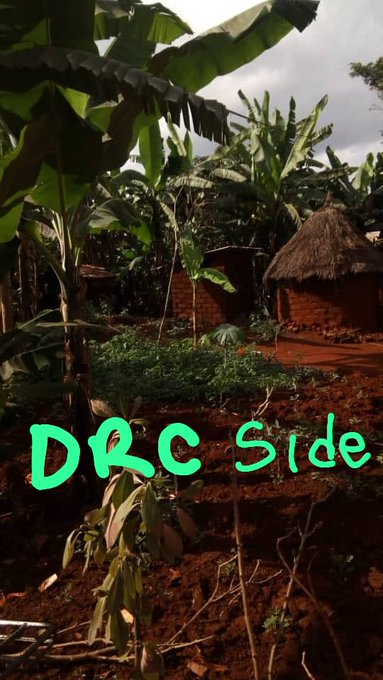
Refugees report that the same practices are not applied to the areas occupied by Congolese refugees, whose fields are left intact. This selective enforcement has generated deep frustration and a growing sense of injustice among Burundian refugees. The pattern strongly suggests an intentional policy aimed at discouraging self-reliance and exerting pressure on Burundians specifically, rather than the application of neutral camp regulations.
CDH/VICAR is particularly concerned by the divisive impact of these practices. By targeting one refugee group while sparing another within the same camp, authorities risk sowing mistrust and tension between communities that have historically coexisted peacefully. Such tactics undermine social cohesion and contradict the humanitarian principle of non-discrimination that must guide refugee management.
CDH/VICAR strongly condemns these actions as violations of refugee rights and human dignity. The organization calls on the Tanzanian government and UNHCR to immediately end discriminatory practices, protect refugees’ livelihoods, and ensure equal treatment for all displaced persons regardless of nationality. CDH/VICAR will continue monitoring these violations and advocating for accountability and respect for international refugee law.
Gallery
Related Case Study