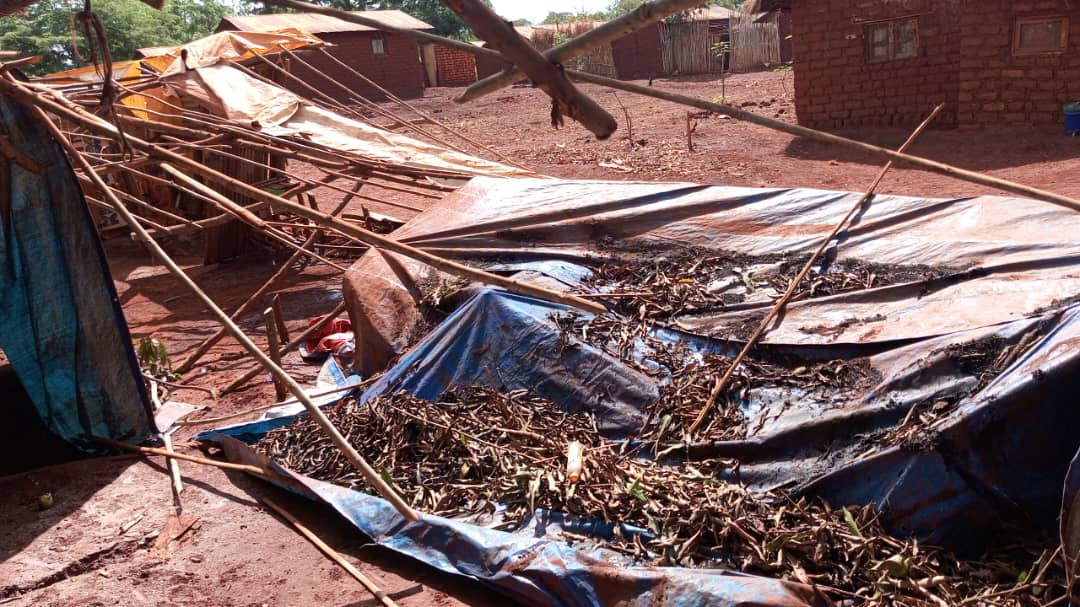
CDH/VICAR has documented a grave incident in which at least three refugees were killed and more than twenty others, including children, were injured after Kenyan police used lethal force against protesters. The refugees were demonstrating against drastic reductions in food rations and the implementation of a new food distribution system that they described as discriminatory and harmful. This violent response to a peaceful protest represents a serious violation of the rights of refugees to life, safety, and peaceful expression.
According to testimonies collected by CDH/VICAR, the protest erupted after refugees were subjected to severe cuts in food assistance under a newly introduced assistance model currently being rolled out in the Great Lakes region. Refugees report that the selection criteria used to determine who receives food are unclear, inconsistently applied, and allegedly influenced by corruption. Many households were abruptly excluded or downgraded without explanation, leaving families unable to meet their most basic nutritional needs.
CDH/VICAR notes that the situation is further aggravated by restrictive movement policies in Kenya, where refugees living in camps are denied freedom of movement. These restrictions prevent refugees from seeking alternative livelihoods, accessing markets, or supplementing inadequate food aid. As a result, food assistance cuts immediately translate into hunger, desperation, and heightened tension, particularly among families with children.
CDH/VICAR strongly condemns the use of lethal force against refugees and calls for an independent and transparent investigation into the killings and injuries. The organization urges Kenyan authorities, UNHCR, and humanitarian partners to urgently review food assistance policies, clarify distribution criteria, address allegations of corruption, and respect refugees’ fundamental rights. The right to food, freedom of movement, and protection from violence are non-negotiable and must be upheld without discrimination.
Gallery




Related Case Study