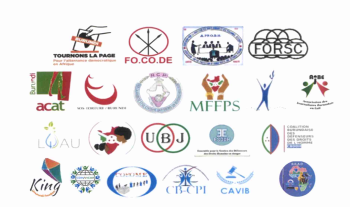
The Coalition for the Defence of Human Rights Living in Refugee Camps issued Statement No. 04 CDH/VICAR/2026 expressing deep concern regarding the upcoming Regional Conference on the Comprehensive Durable Solutions for Burundian Refugees, scheduled to take place from 16 to 19 March 2026 in Nairobi. This regional meeting is expected to bring together Ministers of Interior from several countries in the region, government authorities responsible for refugee affairs, representatives of the United Nations High Commissioner for Refugees, and selected leaders from Burundian refugee communities living across host countries in East Africa. While the initiative aims to discuss durable solutions for Burundian refugees, CDH/VICAR believes that the consultation process surrounding this conference raises serious concerns regarding representation and inclusiveness.
According to information available to CDH/VICAR, several legitimate leaders and representatives of the Burundian refugee community—including those currently residing in Kenya—have not been invited to participate in this important meeting. At the same time, certain individuals reportedly close to authorities in Burundi have received invitations even though they are not recognized by refugee communities as their legitimate representatives. This situation raises serious concerns regarding the credibility and representativeness of the consultation process, particularly given that the outcomes of such discussions may directly influence the future of thousands of refugees living in exile throughout the region.
CDH/VICAR stresses that international refugee protection standards emphasize the importance of inclusive and meaningful participation of refugees in decisions that directly affect their lives. Excluding genuine refugee representatives from regional consultations risks undermining the legitimacy of any conclusions reached during the conference. Refugees themselves must be central actors in discussions about durable solutions, as they are the individuals most affected by decisions related to repatriation, local integration, or resettlement.
The organization further recalls that any dialogue concerning durable solutions for Burundian refugees must strictly adhere to the principles of international refugee law. In particular, discussions relating to repatriation must respect the strictly voluntary nature of return, guarantee that any return is safe and dignified, and ensure that refugees make decisions based on free and informed choice. Moreover, there must be a complete absence of direct or indirect pressure aimed at forcing refugees to return to their country of origin. CDH/VICAR notes with concern that recent developments observed in refugee camps in Tanzania, including the demolition of refugee homes and other restrictive measures, raise serious questions about whether these principles are currently being fully respected.
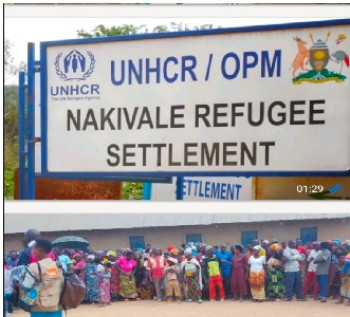
The current context surrounding the Burundian refugee situation remains deeply influenced by persistent concerns regarding security conditions and the human rights situation in Burundi. Many Burundian refugees originally fled their country due to political persecution, insecurity, and violations of fundamental rights. Any initiative aimed at accelerating repatriation without sufficient guarantees of safety and protection risks exposing refugees to renewed danger. Evidence of this reality can already be observed in the situation of several refugees who were forcibly repatriated from Tanzania after facing pressure related to the demolition of their homes and the closure of schools in refugee camps. A number of those individuals have since fled again and are now seeking refuge in neighboring countries such as Uganda, Rwanda, and Kenya.
CDH/VICAR therefore emphasizes that a truly durable solution to the Burundian refugee crisis cannot be achieved solely through accelerated return policies. Sustainable solutions require addressing the root causes of forced displacement. In the case of Burundi, this means working toward an inclusive and sustainable political settlement capable of restoring security, respect for human rights, and democratic governance. In particular, CDH/VICAR highlights the need for a credible inter-Burundian dialogue that would address the underlying factors that forced thousands of citizens into exile.
In its statement, CDH/VICAR calls upon the organizers of the regional conference and the United Nations High Commissioner for Refugees to ensure the effective and representative participation of Burundian refugee leaders from all host countries, including those living in Kenya. The organization stresses that such participation is essential to guarantee that refugee perspectives are genuinely considered during discussions on durable solutions.
CDH/VICAR also calls on governments in the region to fully respect the fundamental principles of international refugee protection, particularly the principle of non-refoulement and the strictly voluntary nature of repatriation. The organization stresses that no refugee should be subjected to pressure, intimidation, or coercive measures that could force them to return to a country where they may face danger or persecution. Where certain States consider the presence of refugees to be a burden, alternative arrangements should be explored, including temporary protection measures or burden-sharing among other countries willing to host refugees until conditions for safe return are genuinely met.
Finally, CDH/VICAR urges the international community to ensure that discussions on durable solutions do not become mechanisms of pressure designed primarily to reduce the number of refugees in host countries without addressing the conditions necessary for safe and sustainable return. Refugees must remain at the center of all decisions concerning their future. Any durable solution must be based on their free and informed consent, respect for their fundamental rights, and meaningful participation in processes that determine their future.
Done on 13 March 2026.