The Coalition pour la Défense des Droits Humains Vivant dans les camps de refugies of Human Rights Living in Refugee Camps (CDH/VICAR) expresses its strongest indignation and deep concern following the official closure of the Nduta refugee camp in Tanzania on April 30, 2026, as well as the mass forced repatriations of Burundian refugees that accompanied it.
A Process Marked by Coercion from the Outset
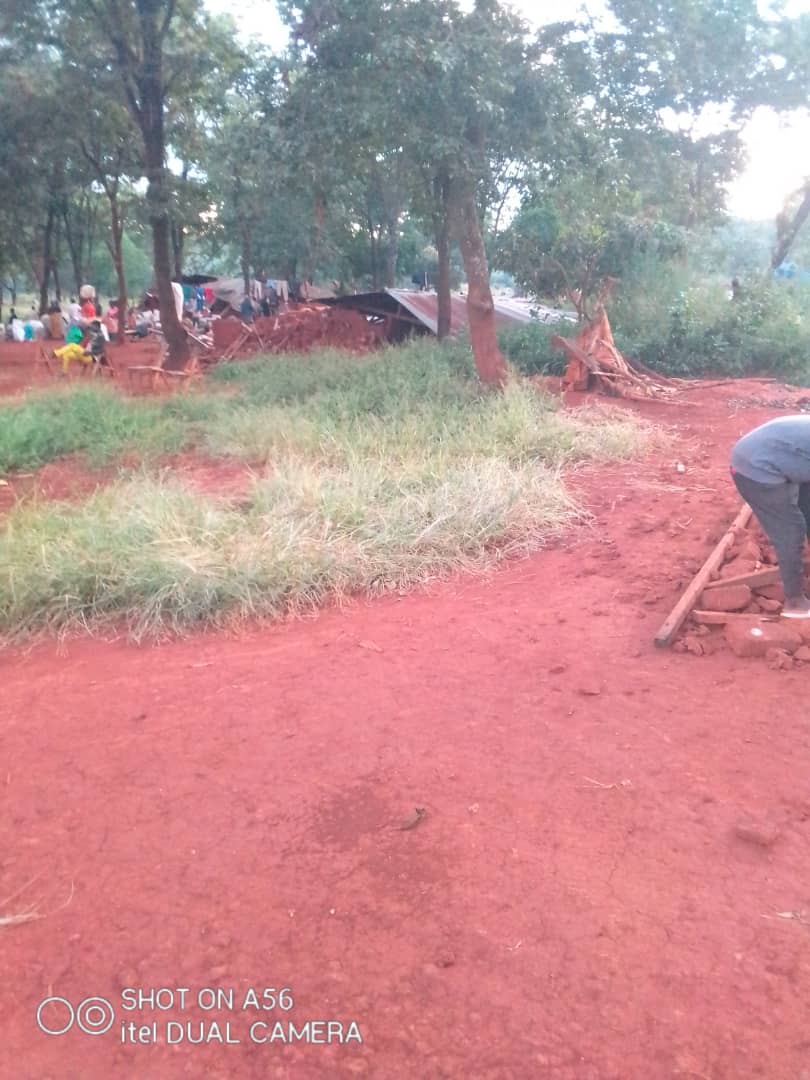
For several months, the situation in Nduta camp has progressively deteriorated as a result of increasingly coercive measures: restrictions on refugees’ freedom of movement, pressure to register for repatriation, conditioning of humanitarian assistance on registration for return, progressive demolition of shelters in the camp, as well as night-time violence, intimidation, arrests, and enforced disappearances. These practices culminated in recent days in a sudden acceleration of departures, leading to the complete closure of the camp.
A Hasty and Inhumane Closure
Approximately 3,000 refugees who remained in the camp were forcibly rounded up and returned to Burundi. At the end of these operations, only about ten families remained on site, awaiting transfer to the Nyarugusu camp, where 198 families had already been relocated following a widely contested selection process.
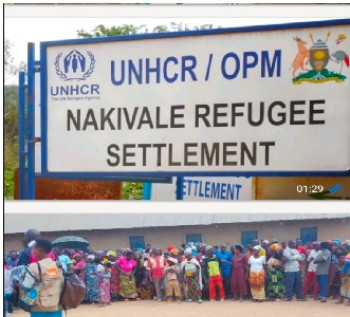
At the same time, thousands of refugees attempted to flee to neighbouring countries (Uganda, Rwanda, Kenya, Zambia, etc.), while others, already repatriated, have once again fled Burundi due to the risks they face there.
An Operation Condemned at the International Level
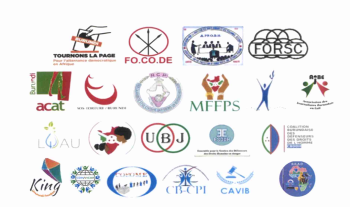
CDH/VICAR recalls that 26 human rights organizations have recently denounced these practices, describing them as forced repatriations in violation of international law.
These organizations have notably raised concerns about the lack of voluntariness in returns, the pressure exerted on refugees, and the serious risks faced in Burundi, including arbitrary arrests, enforced disappearances, and persecution.
The Responsibility of the UNHCR
CDH/VICAR strongly condemns the role of the United Nations High Commissioner for Refugees (UNHCR), which, instead of fully upholding its protection mandate, has accompanied and facilitated operations carried out by Tanzanian authorities.
While this UN agency had already denounced in 2019 the forced repatriation of Burundian refugees by the Tanzanian government, it recently indicated that more than 17,000 Burundian refugees require protection.
It is particularly concerning that UNHCR appears to have supported contested protection cases at the expense of refugees with genuine protection needs, some of whom have been forced to flee again before or after their forced return. This constitutes a serious failure in protecting refugees.
Recommendations
In light of this alarming situation, CDH/VICAR calls on the Government of Tanzania to immediately cease all forced repatriations and to fully respect its international obligations.
The United Nations High Commissioner for Refugees (UNHCR) is urged to reaffirm its protection mandate, suspend any collaboration with coercive practices, and ensure transparent and fair protection mechanisms.
Neighbouring countries (Rwanda, Uganda, Kenya, Zambia, etc.) are called upon to receive refugees fleeing the situation and to guarantee effective access to international protection.
The international community is urged to exert urgent pressure on Tanzania, establish independent monitoring mechanisms, and support refugees affected by these violations.
A Dangerous Precedent for Refugee Protection
The closure of Nduta camp does not represent a success, but rather a dangerous precedent marking the erosion of fundamental refugee protection principles.
CDH/VICAR warns of the imminent risk that the Nyarugusu camp may face the same fate and calls for immediate mobilization to prevent further violations.